Author: Kurt Gomez

  • Polyaspartic Garage Floor Coating vs Epoxy: Why Homeowners Are Making the Switch in 2025

    Target Keywords: polyaspartic garage floor coating, polyaspartic vs epoxy, best garage floor coating 2025

    Meta Description: Discover why polyaspartic garage floor coating is beating epoxy in 2025. Compare costs, cure times, durability & UV resistance. Expert guide with real homeowner data.

    The 2025 Garage Floor Coating Revolution: Polyaspartic Takes the Lead

    If you’ve been scrolling through home improvement forums lately, you’ve likely noticed a major trend dominating discussions: homeowners are ditching traditional epoxy in favor of polyaspartic garage floor coating. Search interest in “polyaspartic vs epoxy” has surged over 140% in the past 12 months, driven by a wave of DIY renovations, record-breaking home improvement spending, and a growing awareness of polyaspartic’s superior performance characteristics.

    According to the National Association of Home Builders (NAHB), garage renovations rank among the top five home improvement projects Americans are investing in right now — and the flooring choice has become the most-debated decision of the whole project. In this definitive guide, we break down everything you need to know about polyaspartic vs epoxy so you can make the smartest choice for your garage in 2025.

    What Is Polyaspartic Garage Floor Coating?

    Polyaspartic coatings are a subclass of polyurea — a high-performance polymer technology originally developed for industrial and military applications. When applied to concrete garage floors, polyaspartic coatings form an incredibly durable, chemical-resistant, UV-stable surface that can be completed in as little as one day.

    Unlike traditional two-part epoxy systems, polyaspartic coatings cure via a moisture-triggered chemical reaction, meaning they work in a much wider temperature range — from as low as -30°F to over 140°F. This is a game-changer for homeowners in northern climates who previously had to wait for perfect spring weather to coat their floors.

    The American Concrete Institute (ACI) classifies polyaspartic as a Category 1 protective coating for concrete — the highest performance tier — noting its exceptional resistance to abrasion, chemicals, and thermal cycling.

    Polyaspartic vs Epoxy: The Head-to-Head Comparison

    This is the question every homeowner asks when planning a garage floor project. Here’s a comprehensive breakdown of how these two coatings stack up across every major category:

    1. Cure Time

    Polyaspartic garage floor coating wins this category hands-down. A full polyaspartic system — primer, base coat, color flakes, and topcoat — can be installed and ready for foot traffic in as little as 6–8 hours, and ready for vehicle traffic within 24 hours. Traditional water-based epoxy systems, by contrast, require 24–72 hours between coats and a full 7-day cure before you can park your car on it.

    For homeowners who need their garage back quickly, polyaspartic is the only serious option. This fast cure time is a primary reason professional installers have been moving away from epoxy — faster installation means more jobs per week and a better overall customer experience.

    2. UV Resistance and Color Stability

    One of the most dramatic failures of traditional epoxy garage floors is yellowing. Most standard epoxy systems are not UV-stable, meaning exposure to sunlight through garage windows or doors causes them to turn yellow or amber within 1–2 years. This irreversible discoloration is one of the top complaints documented by the This Old House editorial team in their annual flooring coverage.

    Polyaspartic coatings are inherently UV-stable. The aliphatic chemistry used in polyaspartic formulations resists UV degradation, keeping colors vibrant and surfaces looking fresh for the life of the coating — typically 10–20 years with proper maintenance.

    3. Temperature Application Range

    Epoxy has a notoriously narrow application window: most manufacturers recommend temperatures between 50°F and 85°F with humidity below 85%. Step outside those parameters and you risk bubbling, peeling, and adhesion failure.

    Polyaspartic coatings can be applied in temperatures ranging from -30°F to 140°F. This means contractors can coat floors year-round in virtually any climate — a massive operational advantage that has dramatically accelerated the industry’s adoption of polyaspartic systems.

    4. Durability and Abrasion Resistance

    The EPA’s guidelines on VOC emissions note that many high-build epoxy systems rely on solvent carriers that contribute to indoor air quality concerns. Polyaspartic systems, by contrast, are typically 100% solid content with ultra-low or zero VOC formulations, making them safer for homeowners and the environment.

    In terms of raw durability, polyaspartic coatings score 2–3x higher on the Taber abrasion test (ASTM D4060) compared to standard epoxy systems. This translates to surfaces that better withstand the daily onslaught of car tires, dropped tools, vehicle fluids, and heavy foot traffic.

    5. Chemical Resistance

    Garages are chemical battlegrounds: motor oil, gasoline, brake fluid, road salts, and cleaning agents all attack floor coatings daily. Both polyaspartic and epoxy offer chemical resistance, but polyaspartic performs significantly better against hot tire pickup — a phenomenon where hot tires cause the coating to soften and peel, especially in summer. This is one of the most documented failure modes in DIY epoxy installations.

    6. Cost Comparison

    Here’s where the conversation gets nuanced. Professional polyaspartic garage floor coating installation typically runs $3–$12 per square foot depending on your region, the number of coats, and the complexity of the decorative design (solid color vs. full broadcast flake). Standard epoxy systems installed by professionals run $2–$7 per square foot.

    However, when you account for longevity (polyaspartic systems last 2–3x longer than DIY epoxy kits), UV stability, and reduced maintenance costs, the best garage floor coating for 2025 from a total cost-of-ownership perspective is almost always polyaspartic. Forbes Home Improvement analysis consistently shows that premium coatings with longer lifespans deliver better ROI than budget options that require reapplication every 3–5 years.

    Why 2025 Is the Breakout Year for Polyaspartic

    Several converging trends have made 2025 the definitive turning point for polyaspartic garage floor coatings:

    Home Equity Boom Fueling Premium Upgrades

    American homeowners are sitting on record levels of home equity following the housing market surge of 2020–2024. With median home equity above $185,000 nationally, according to data from the Federal Reserve, homeowners are more willing than ever to invest in premium home improvements that boost property value and reduce long-term maintenance costs.

    A beautiful, durable polyaspartic garage floor is increasingly cited by real estate agents as a feature that differentiates homes in competitive markets — particularly for buyers who work on cars, use their garages as workshops, or want that coveted “showroom floor” aesthetic.

    Growing Contractor Adoption

    The professional flooring contractor community has reached a tipping point. The Concrete Network reports that polyaspartic has become the preferred system for an estimated 60%+ of professional concrete coating contractors — up from roughly 30% just five years ago. Contractors love polyaspartic because it enables same-day installs, eliminates weather-related delays, and delivers results that generate enthusiastic referrals.

    The Social Media Effect

    “Garage transformation” content has exploded on YouTube, TikTok, and Instagram, with before-and-after polyaspartic floor videos routinely generating millions of views. The visual impact of a metallic or full-broadcast flake polyaspartic floor is undeniable — the kind of dramatic result that photographs beautifully and spreads virally through home improvement communities.

    This social proof engine has created a virtuous cycle: homeowners see stunning results online, hire contractors, are thrilled with their floors, post their own photos, and inspire the next wave of installations.

    Best Garage Floor Coating 2025: Polyaspartic System Recommendations

    When evaluating the best garage floor coating in 2025, the polyaspartic market has matured significantly, with products spanning the quality spectrum. Here’s what to look for:

    Professional-Grade Systems (Recommended)

    The gold standard for polyaspartic garage floor coating involves a three-step professional system: a 100% solid polyaspartic base coat, a full broadcast of decorative color chip flakes, and a UV-stable polyaspartic topcoat with a non-slip additive. This system, when properly installed with concrete diamond grinding and moisture testing, will last 15–20 years and carry a meaningful warranty from the installer.

    Look for contractors who are certified through manufacturer training programs and who perform a minimum of 200-grit diamond grinding before installation. Proper surface prep is the single biggest determinant of long-term adhesion and performance.

    DIY Polyaspartic Options

    While professional installation is recommended for the best results, DIY-friendly polyaspartic kits have improved dramatically. Products available at The Home Depot and Lowe’s have brought polyaspartic technology within reach of serious DIYers. The key is thorough surface preparation — acid etching at minimum, diamond grinding preferred — and following the manufacturer’s pot life instructions carefully, as polyaspartic has a faster pot life than epoxy.

    Common Questions About Polyaspartic Garage Floor Coating

    How long does a polyaspartic garage floor coating last?

    A professionally installed polyaspartic garage floor coating system typically lasts 15–20 years with minimal maintenance. Some installations in lower-traffic environments have exceeded 20 years without requiring recoating. This dramatically outperforms water-based DIY epoxy kits, which typically need reapplication every 3–5 years.

    Can polyaspartic be applied over existing epoxy?

    Yes, in many cases polyaspartic can be applied over existing epoxy as a topcoat, provided the epoxy is in good condition, properly adhered to the concrete, and the surface is appropriately abraded. This is a cost-effective way to revitalize an existing epoxy floor with enhanced UV stability and abrasion resistance. A professional assessment is recommended before attempting this approach.

    Is polyaspartic slippery when wet?

    Polyaspartic topcoats can be slippery when wet in their natural state, which is why reputable installers always include an anti-slip aggregate (aluminum oxide or sand) in the topcoat. When properly specified, polyaspartic floors meet or exceed the OSHA slip resistance standard of 0.5 SCOF (static coefficient of friction). Always confirm with your installer that slip resistance additives are included in the topcoat formulation.

    What is the best temperature for applying polyaspartic?

    One of polyaspartic’s defining advantages is its broad application temperature range. Most professional-grade polyaspartic systems can be applied between -30°F and 140°F (-34°C to 60°C), making them suitable for year-round installation in virtually any climate. The concrete surface temperature should be at least 5°F above the dew point to ensure proper adhesion.

    The Environmental Edge: Polyaspartic and Green Building

    As green building practices become increasingly mainstream — driven by LEED certification programs, energy codes, and consumer demand — polyaspartic’s environmental profile has become another competitive advantage. Many professional-grade polyaspartic systems are formulated as 100% solids with zero VOC content, meeting the strictest environmental standards including those set by the EPA and California’s South Coast Air Quality Management District (SCAQMD).

    This positions polyaspartic favorably for homeowners pursuing green building certifications or living in jurisdictions with strict VOC regulations. Contrast this with solvent-based epoxy systems, which can contain significant VOC levels and require special ventilation and disposal considerations.

    Polyaspartic Garage Floor Coating: The Verdict

    The data, the industry trends, and the homeowner testimonials all point in the same direction: polyaspartic garage floor coating is the clear winner in the polyaspartic vs epoxy debate for 2025 and beyond. It cures faster, lasts longer, resists UV degradation, performs in extreme temperatures, and delivers a dramatically superior long-term value proposition.

    For homeowners who want the best garage floor coating available today, the question isn’t really “polyaspartic or epoxy?” — it’s “which polyaspartic system is right for me?” Whether you hire a professional for a showroom-quality installation or tackle it yourself with a quality DIY kit, polyaspartic technology will transform your garage floor into a surface that’s as beautiful as it is tough.

    The garage floor revolution is here. Polyaspartic is leading it — and homeowners everywhere are taking notice.


    Related Resources:

    • American Concrete Institute — Protective Coatings Standards
    • National Association of Home Builders — Remodeling Trends
    • EPA — VOC Regulations for Coatings
    • This Old House — Garage Floor Coating Guides
    • The Concrete Network — Find Local Polyaspartic Contractors
  • Polyaspartic Coatings: The Future of Floor Protection

    Polyaspartic coatings are trending in the coatings industry today. They promise durable and long-lasting surface protection. Recently, as extreme weather events become more common, interest in these coatings has grown. This ability to withstand harsh conditions has attracted the attention of policymakers and environmentalists. Let’s explore what makes polyaspartic coatings so valuable in today’s world.

    Understanding Polyaspartic Coatings

    Polyaspartics are a type of polyurea. They form when a polyaspartic ester reacts with an isocyanate. This chemical reaction creates a fast-curing material. It provides high resistance against wear, chemicals, and UV exposure. These characteristics are crucial for surfaces facing heavy traffic or harsh environments. Polyaspartics outperform traditional coatings in speed and efficiency. They offer fast drying times and return floors to service quickly. This rapid cure time is a significant advantage for businesses needing minimal downtime.

    Real-World Applications

    Polyaspartic coatings serve various industries. In commercial spaces like shopping centers or warehouses, they protect floors from abrasion and chemical spills. Homeowners use them in garages, where cars and equipment can damage surfaces. The coatings are also popular in hospitals. The seamless finish resists bacteria and supports cleanliness.

    In recent news, climate change impacts have highlighted the importance of resilient infrastructure. Floods and severe weather damage buildings and roads. Here, polyaspartic coatings play a protective role. They shield surfaces from water and temperature fluctuations as seen after recent storms. City planners now consider these coatings essential in rebuilding efforts.

    Environmental Perspective

    Environmental sustainability matters in the coatings domain. Polyaspartic coatings align with eco-friendly practices due to their durability. Longer-lasting surfaces reduce the frequency of repaints, cutting down on resources. Some manufacturers now produce low-VOC (volatile organic compound) polyaspartics, further reducing environmental impact.

    Scientists focus on developing coatings that resist extreme conditions. These concerns mirror current climate change talks. Durable coatings mean a reduced carbon footprint. They contribute less waste and require less energy for maintenance and repairs.

    Future Developments

    The market for polyaspartic coatings continues to evolve. Innovations aim to improve their formulation and application methods. New research explores self-healing properties and smarter curing processes. These advances promise even more robust solutions.

    In the context of changing regulations, manufacturers work on improving safety and performance. As demand grows, competition pushes for better, safer formulations. This innovation benefits industries seeking cost-effective and reliable floor coatings.

    Conclusion

    Polyaspartic coatings emerge as a pivotal innovation in surface protection. Their strength and versatility address current climate challenges. Their applications span commercial, residential, and industrial settings. As industries and cities adapt to new environmental pressures, polyaspartic coatings stand out. They meet the demand for robust infrastructure solutions. It is clear that polyaspartic technology will remain vital in safeguarding our environments. This interest will drive continued research and development efforts, ensuring that polyaspartic coatings remain at the forefront of protective solutions.

  • The Coating Evolution: How Polyaspartics Are Changing Concrete Floors

    Polyaspartic coatings have recently gained attention for their potential in transforming concrete surfaces. This novel technology is increasingly selected as an alternative to traditional epoxy for flooring. Why the shift? Recent news highlights developments in polyaspartic technology that enhance its appeal and effectiveness. This article delves into what sets polyaspartic apart and sheds light on its growing presence in flooring solutions.

    What Makes Polyaspartics Stand Out

    Polyaspartics offer distinct advantages over the conventional epoxy coatings. The key benefit lies in their quick curing time. While epoxy might take several days, polyaspartics can be ready in a few hours. This significant reduction in downtime appeals to businesses keen on minimizing disruptions.

    Moreover, polyaspartics excel in durability. They resist abrasions and chemical spills better than other products. These properties make them ideal for heavy-duty environments like warehouses or automotive shops. The coating’s flexibility also plays a role, allowing it to tolerate changes in temperature and settle on uneven surfaces without cracking.

    Recent Innovations in Polyaspartic Technology

    Recent technological advancements have improved polyaspartic formulations. A notable development involves their application in extreme climates. Some brands have introduced coatings capable of curing even at freezing temperatures. This advancement extends their applicability to geographic areas previously unsuitable for polyaspartic use.

    In addition, there’s news on the sustainability front. Some manufacturers have started developing polyaspartic coatings with lower volatile organic compounds (VOCs). These eco-friendlier options appeal to businesses focused on reducing their environmental footprint. Such advancements testify to the dynamic evolution of polyaspartics and broaden their range of applications.

    Expanding Applications Changing the Market

    Floors remain the primary application for polyaspartics, yet their use has expanded rapidly. In residential settings, homeowners increasingly choose them for garages and basements. The appeal lies in both practicality and aesthetics. With polyaspartics, floors can withstand spills and heavy use while offering a sleek, polished look that complements modern design.

    Commercially, the advantages continue to attract diverse industries. Restaurants, medical facilities, and even retail spaces choose these coatings. The seamless finish reduces maintenance needs and improves cleanliness. As hygienic concerns remain in focus, more businesses are likely to adopt these solutions.

    Steps Forward: Overcoming Challenges

    Challenges exist alongside these advancements. One significant issue involves the expense; polyaspartics often cost more than traditional coatings. However, given their lifespan and lower maintenance requirements, many argue the initial investment is justified.

    Applicators must consider technical challenges, too. The rapid curing time requires skilled handling to ensure even application. Fortunately, training programs are now widely available, helping technicians master these skills and ensuring quality results.

    Future Outlook: The Rising Demand for Polyaspartics

    The demand for polyaspartic coatings is poised to rise. As more sectors recognize the benefits, their market presence is expected to grow steadily. Innovations that improve environmental friendliness and application ease will likely bolster this trend. Collaborations between manufacturers and research institutions could fuel further breakthroughs, paving the way for even greater adoption.

    In sum, polyaspartics represent an exciting development in coating technology. As industries evolve and priorities shift, this extremely versatile and durable solution is set to play a major role in the future of flooring and beyond. Its rapid advancement and potential for innovation show promise, highlighting its importance in addressing modern demands. Polyaspartics offer a glimpse into the future of coatings, where efficiency meets performance without compromise.

  • ##Unveiling the Wonders of Polyaspartic Coatings: A Modern Solution

    Introduction

    Polyaspartic coatings are gaining popularity in various industries. This type of coating covers floors, steel, and more. It protects against damage and wear. Efficiency and durability make polyaspartic coatings stand out. Today, we explore these coatings in detail, considering their benefits and current developments.

    The Rise of Polyaspartic Coatings

    Polyaspartic coatings emerged a few decades ago. Initially, they were a niche product. Now, they are widely used in industrial and commercial spaces. The coatings’ quick curing time offers a significant advantage. Businesses appreciate reduced downtime. Polyaspartic technology allows floors to be ready within hours, not days. This quick turnaround brings them in demand.

    Benefits of Polyaspartic Coatings

    Durability defines polyaspartic coatings. Moreover, they withstand harsh conditions, including chemical exposure and temperature extremes. Floor surfaces with these coatings resist stains, scratches, and impact. Additionally, they maintain their look over time, which reduces maintenance needs. Their UV stability keeps outdoor applications from yellowing or fading, ensuring long-lasting aesthetics and function.

    Recent Innovations in Polyaspartic Coatings

    Innovation continues to improve polyaspartic coatings. Manufacturers recently made strides with sustainable options. Eco-friendly solutions are now available, reducing environmental impact. Another improvement involves enhanced application techniques. Newer formulations handle moisture better. This allows for year-round application, even in humid conditions.

    Polyaspartic Coatings in the News: Expanding Applications

    Healthcare facilities are turning to polyaspartic coatings. Hospitals and clinics need easy-to-clean surfaces. Amid the COVID-19 pandemic, hygiene remained critical. Polyaspartic coatings contribute to cleaner environments. Quick application and durability support health standards in these spaces. Their non-toxic properties make them suitable for sensitive areas.

    Looking Ahead: The Future of Polyaspartic Coatings

    The future looks promising. Polyaspartic coatings may become standard in new constructions. Researchers are exploring additional improvements. They aim to enhance bio-sourced materials, making coatings even more sustainable. Moreover, new technologies might reduce costs, broadening access to these effective solutions.

    Conclusion

    Polyaspartic coatings bring undeniable benefits. Their fast curing, durability, and versatility make them a worthy investment. As technology advances, these coatings will likely become even more integral to various industries. Sustainable options and innovative applications point to a future where polyaspartic coatings help create more efficient, durable spaces.

  • The Rise of Polyaspartic Coatings in Green Building

    Polyaspartic coatings are gaining recognition as a green building solution. Recently, a major news topic involves the industry’s shift toward more sustainable practices. This shift has increased the interest in innovative materials, including polyaspartic coatings, known for their durability and environmental benefits.

    A Sustainable Choice

    Companies seek materials that align with eco-friendly goals. Polyaspartic coatings offer low volatile organic compounds (VOC) emissions. This feature makes them appealing for projects aiming to reduce environmental impact. These coatings provide a protective layer that prolongs the life of surfaces, reducing the need for frequent replacements and minimizing waste.

    Speed and Efficiency

    Polyaspartic coatings have a quick cure time. This advantage reduces downtime during application. Construction and renovation projects benefit from completing tasks on tight schedules. Efficiency helps meet deadlines and reduces labor costs without sacrificing quality. Manufacturers design these coatings to maintain performance even under rapid curing conditions.

    Enhanced Durability

    Performance matters. Polyaspartic coatings excel in durability. They resist abrasion, chemicals, and environmental wear. This resistance ensures long-lasting protection for floors, walls, and other surfaces. Buildings with high foot traffic or exposure to harsh elements find these coatings particularly valuable. Polyaspartic coatings help maintain aesthetic appeal and structural integrity over time.

    Versatility

    Polyaspartic coatings adapt to various applications. From residential garages to large commercial spaces, they serve multiple purposes. These coatings customize finishes in terms of color and texture. They allow architects and designers the freedom to explore creative solutions without worrying about operational limitations.

    Safety and Comfort

    Indoor air quality remains a concern in building projects. Polyaspartic coatings contribute to a safer environment. With low VOC levels, they do not compromise air quality during and after application. Users experience fewer health hazards, supporting overall well-being in residential and commercial spaces. Their odorless feature during application adds comfort for both workers and occupants.

    Economic Value

    Investment in polyaspartic coatings offers cost benefits. Longevity and minimal maintenance needs prevent frequent expenditure on repairs or replacements. The initial cost of these coatings is offset by long-term savings. Buildings maintain their look and function, offering value for money spent on protective solutions.

    A Future with Polyaspartic Coatings

    The push towards sustainability continues to shape building practices. Polyaspartic coatings stand as a noteworthy development in this trend. Their adoption grows as industries recognize their benefits. By choosing these coatings, builders support eco-friendly practices while achieving economic and practical goals.

    In conclusion, polyaspartic coatings offer an optimal balance between performance and environmental responsibility. Their role in the construction industry is set for expansion as green building gains prominence. The future of building looks brighter with materials that prioritize both the planet and practical needs.

  • Polyaspartic Coatings: Revolutionizing the World of Protective Coatings

    When it comes to protecting surfaces against the wear and tear of daily use, finding the right coating solution is crucial. Whether you’re seeking to shield your floor from heavy foot traffic or looking to extend the lifespan of your industrial equipment, the right coating can make all the difference. That’s where polyaspartic coatings by ArmorThane step in, providing unparalleled durability and reliability for a wide range of applications.

    The Power of Polyaspartic Coatings

    Polyaspartic coatings have emerged as a game-changer in the world of protective coatings. Derived from aliphatic polyurea, this innovative technology offers superior resistance to abrasions, chemicals, UV rays, and impacts. Its quick cure time and excellent adhesion properties make it a sought-after solution for both commercial and industrial applications.

    Versatility for All Surfaces

    One of the primary advantages of polyaspartic coatings is their versatility. From floors, walls, and roofs to machinery and equipment, these coatings can be applied on various surfaces to offer unrivaled protection. Unlike traditional coatings, polyaspartic coatings are not limited to specific materials. Whether it’s concrete, metal, wood, or even plastic, ArmorThane polyaspartic coatings seamlessly bond with the surface, augmenting its lifespan and enhancing its aesthetics.

    Unmatched Durability

    Polyaspartic coatings are designed to withstand the harshest environments and maintain their appearance for years to come. Thanks to their exceptional resistance to chemicals and UV rays, the coated surfaces remain unaffected by spills, intense sunlight, or chemical exposure, ensuring their longevity. Whether it’s a high-traffic industrial facility, a commercial kitchen, or a garage floor, these coatings provide a robust shield against daily wear and tear.

    Quick Application and Fast Curing

    One of the most impressive features of polyaspartic coatings is their rapid application and curing process. Unlike traditional coatings that may require long drying periods and multiple coats, polyaspartic coatings offer a quick turnaround time. This means less disruption to your daily operations or home life. Furthermore, their fast cure time allows for faster return-to-service, minimizing downtime and maximizing productivity.

    Enhanced Safety Measures

    Polyaspartic coatings not only protect surfaces but also enhance safety in various settings. With their unique anti-slip properties, these coatings provide added traction, reducing the risk of slips, falls, and accidents caused by wet or slippery areas. This makes them an ideal solution for areas that experience frequent moisture or spills, such as kitchens, bathrooms, and manufacturing facilities.

    Choosing ArmorThane Polyaspartic Coatings

    When it comes to choosing the right polyaspartic coating, ArmorThane stands out as one of the leading providers in the industry. With years of experience and a commitment to innovation, ArmorThane offers superior products that exceed customer expectations.

    Customizable Solutions

    At ArmorThane, we understand that each project is unique and requires tailored solutions. Our team of experts works closely with our customers to identify their specific needs and challenges. With a wide range of colors, textures, finishes, and thicknesses to choose from, we can customize our polyaspartic coatings to match your desired aesthetic and performance requirements.

    Unparalleled Quality

    Quality is the cornerstone of our success. We are dedicated to delivering premium polyaspartic coatings that meet the highest industry standards. Along with excellent durability and performance, our coatings adhere to rigorous quality control measures to ensure consistency and reliability. With ArmorThane, you can trust that you’re receiving the best coatings that will exceed your expectations.

    Outstanding Customer Service

    At ArmorThane, customer satisfaction is our top priority. Our team is here to guide you through the entire process, from product selection to installation. We provide expert advice, technical support, and reliable after-sales services to ensure that your experience with our polyaspartic coatings is seamless and hassle-free. Our goal is to build long-term relationships with our clients based on trust, integrity, and exceptional service.

    Conclusion

    Polyaspartic coatings have revolutionized the world of protective coatings, offering unmatched durability, versatility, and fast curing times. With ArmorThane as your partner, you can enjoy the benefits of industry-leading polyaspartic coatings backed by exceptional quality and customer service. Whether you need to protect your floor, equipment, or any other surface, trust ArmorThane to provide the perfect coating solution that will preserve and enhance your investment for years to come.

  • Why polyaspartic coatings have become the go to choice for floor coatings

    Why polyaspartic coatings have become the go to choice for floor coatings

    Whether you’re a homeowner looking to spruce up your garage floor or a business owner wanting to upgrade their showroom, polyaspartic coatings are quickly becoming the most popular and desired way to protect floors from wear and tear while making them look beautiful. With so many options out there it can be hard to choose the right option for your project – but read on to learn more about why polyaspartic coating has become such an attractive choice for floor coatings!

    Tips on how to achieve a professional look when using polyaspartic coatings

    Polyaspartic coatings are a great solution for achieving a professional, high-quality finish on floors, walls, and more. However, it can be a bit tricky to get it just right. To achieve a truly professional look, it’s crucial to properly prep the surface you’ll be coating. This means thoroughly cleaning and possibly etching the surface to ensure maximum adhesion. Additionally, make sure to select the right type of polyaspartic coating for your specific project and follow the manufacturer’s instructions for application to avoid runs, bubbles, or other imperfections. Finally, take your time and be patient – rushing the process can lead to mistakes. By following these tips, you’ll be sure to achieve a stunning, professional finish with polyaspartic coatings.

    Maintenance tips and tricks for keeping your floors looking good

    Your floors are an important aspect of your home, as they contribute a lot to the overall aesthetic of the space. However, with daily use, foot traffic, and spills, it can be difficult to keep them looking pristine. That’s where these maintenance tips and tricks come in handy. From regular sweeping to spot cleaning and using protective mats, there are plenty of ways to keep your floors looking good for years to come. Not only will these tips help maintain the appearance of your floors, but they will also improve their longevity and prevent costly repairs down the line. So take a few minutes out of your day to implement these tricks and enjoy gleaming floors throughout your home.

    Potential problems you may run into when using polyaspartic coatings and how to fix them

    Polyaspartic coatings are an excellent choice for flooring applications due to their durability and fast-curing properties. However, like any other coating, there are potential problems that may occur during application. One of the most common issues is surface contamination, which can prevent the coating from adhering properly. To prevent this, it’s essential to properly prepare the surface before application. Another possible problem is improper mixing, which can result in inconsistent curing and poor adhesion. To avoid this, follow the manufacturer’s instructions carefully and use a high-quality mixer. Lastly, humidity and temperature can also affect the curing process, so be sure to apply the coating under the recommended conditions. By understanding and addressing these potential issues, you can ensure a successful and long-lasting polyaspartic coating installation.

    In conclusion, polyaspartic coatings are a great choice for those looking to improve the appearance of their floor. While it may be more expensive than other coating types, the advantages they bring and the impressive results can be worth far more. By following the preparation guidelines prior to applying your polyaspartic coatings, you’ll ensure that the job will go smoothly and provide a professional look that will last for years to come. Also, should any issues arise with the polyaspartic coatings, there are steps you can take to remedy them. With proper maintenance and care your floors can stay looking as good as new for years to come. Finally, don’t forget that if you are ever uncertain about how to use these kinds of coatings or run into any problems along the way, always seek out professional advice or help from an expert in order to get things done right!

  • PROS AND CONS OF POLYASPARTIC FLOOR COATINGS

    PROS AND CONS OF POLYASPARTIC FLOOR COATINGS

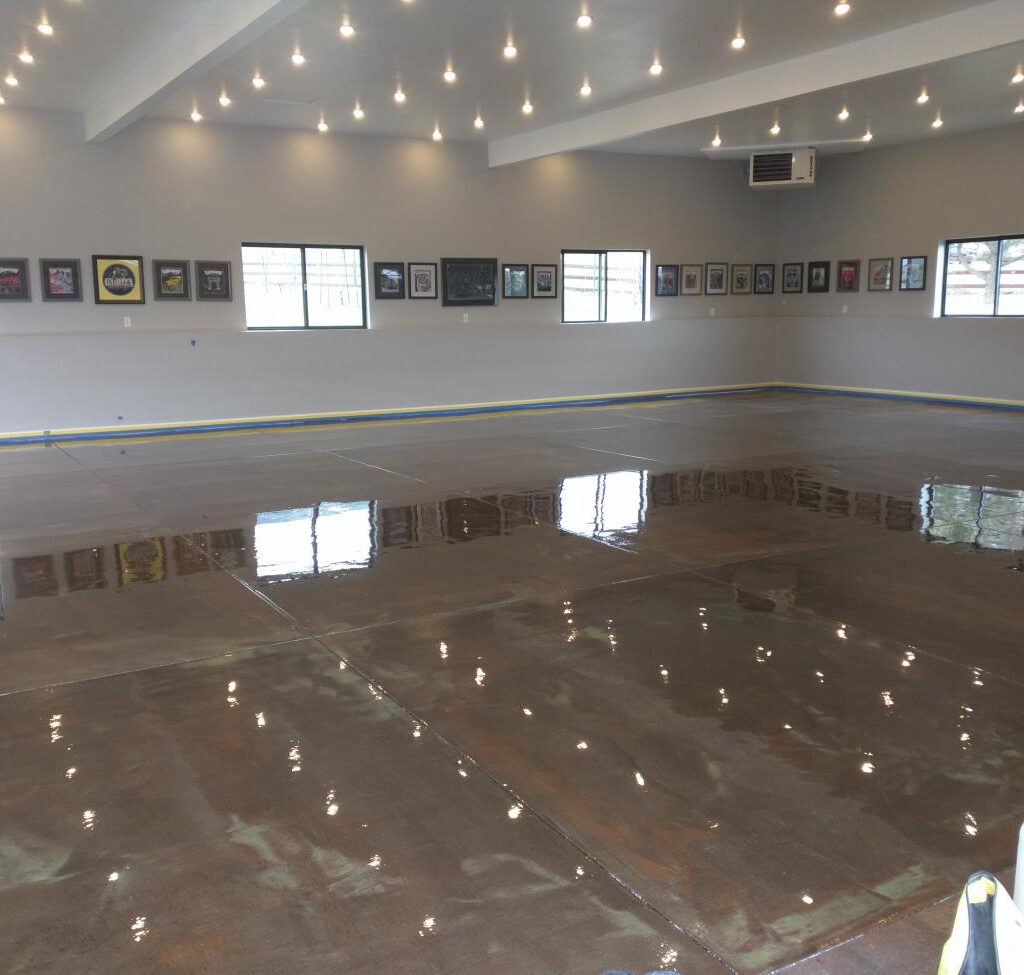
    Garage flooring made from polyaspartic

    • Multipurpose application – It can be applied in all weather conditions so there’s no need to wait for the right moment.
    • Durable – Polyaspartic is a hard-working material that can withstand high temperatures, but retains some flexibility. This allows for a scratch- and stain-resistant finish.
    • Style – This coating is similar to epoxy and allows for many customizations. You can create an individual look with color and chip additives.
    • Rapid drying – No more long waits! Polyaspartic can be applied in 30 minutes to an hours, so you can get back to your daily life and put your flooring down.
    • Air quality – You’ll breathe more easily with low VOCs, virtually no off-gassing odors, and you can take a deep breath.
    • Colorfast – Despite prolonged exposure to ultraviolet rays, the color will not fade or become yellow. This means that your garage will look great for longer.

    The Cons of Polyaspartic Garage Flooring

    • Expensive – Polyaspartic coating has more benefits, but a higher price. When planning, it is important to consider your budget.
    • Battery acid weakness – Attention mechanics! Polyaspartic is stronger than epoxy, but it can’t withstand battery acid as well. This floor coating might not be right for you if you are expecting a lot of this.
    • Application tricky – Do-it-yourself application can be difficult as you need to spread the coating evenly with a squeegee/roller. It is best to hire a professional for installation.
    • Pot life is very short – The coating could dry on the floor or in a bucket before it is applied. This can trap bubbles or other imperfections and cause a lot more material to be wasted.
    • Possible delamination – The concrete in your garage may give off moisture. This could cause the polyaspartic to lose its bond and begin to peel from the floor.

    The Showdown: Polyaspartic and Epoxy

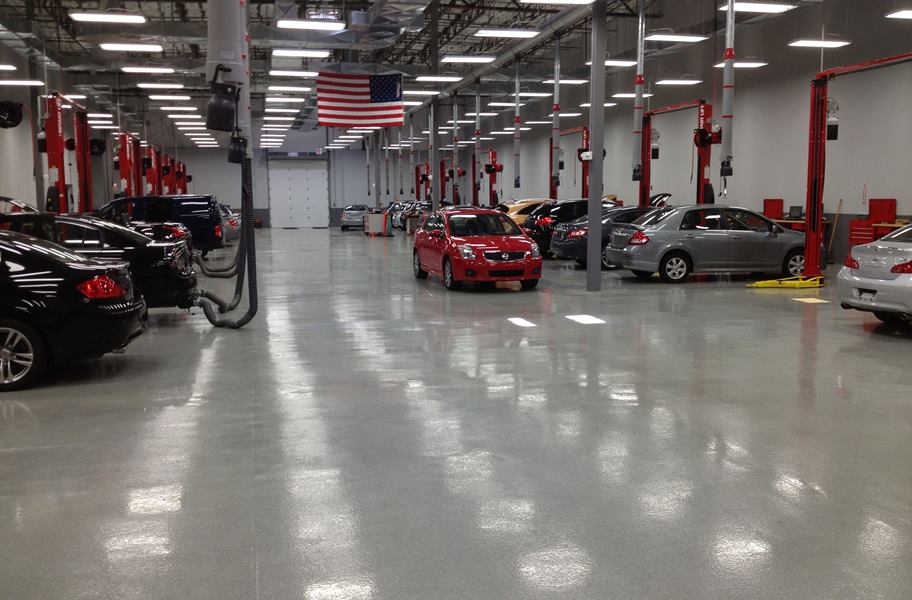
    Epoxy and primer in a commercial garage setting

    Let’s now compare these two garage flooring options!

    Durability

    Although epoxy is extremely durable, it is still susceptible to abrasion. Polyaspartic is flexible and will not chip scratch, or scuff. It’s definitely more durable.

    WinnerPolyaspartic

    Cost

    Polyaspartic is more expensive than Epoxy. Polyaspartic is more expensive than Epoxy. Add to that the cost of hiring an expert installer.

    WinnerEpoxy

    Drying Time

    One layer of Polyaspartic takes approximately an hour to dry. Comparable to epoxy which takes approximately 16 hours to dry a single layer. Polyaspartic is the best choice if you are impatient.

    WinnerPolyaspartic

    DIY Installation

    You can apply epoxy yourself using a roller brush. You can apply epoxy at a slower pace because it takes longer to dry. Polyaspartic is best applied with a squeegee, or roller. It dries quickly so there’s not much room for errors.

    Winner Epoxy

    Air Quality

    Protective gear is required for epoxy application. Epoxy may cause a decrease in garage air quality. Polyaspartic is low in VOCs and emits a very faint off-gassing smell.

    Winner Polyaspartic

    Nonslip

    Polyaspartic can be very slippery when it gets wet so it is a good idea for the surface to have chips to increase texture and traction. Epoxy is also a good option, although it isn’t as slippery.

    Winner Epoxy

    UV Stability

    Exposure to UV radiation can cause epoxy products to yellow or fade over time. Make sure you check the product before purchasing. Polyaspartic has a colorfast formula that won’t fade or turn yellow.

    Winner Polyaspartic

    Which is better: Polyaspartic or Epoxy?

    It’s easy to see why there is no way to definitively say which floor coating system is superior. Each of the epoxy and polyaspartic options have their own advantages and disadvantages. You can decide which one is best for you. You should now be able to compare installation methods and their pros and cons so you can decide what garage you need.

  • TIPS ON USING POLYASPARTIC COATINGS IN OUTDOOR SPACES

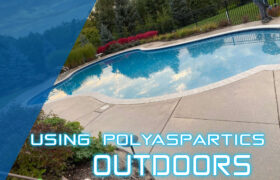
    TIPS ON USING POLYASPARTIC COATINGS IN OUTDOOR SPACES

    UV Resistant Weatherproof Outdoor Tough Flooring

    Polyaspartic floor coatings are meant for heavy-traffic industrial and commercial flooring as well as residential garage floors. They have exceptional reliability, and they can also be installed speedily and conveniently. That is why this kind of floor coating system has captured the attention of many homeowners. Sometimes it is even considered for outdoor spaces, which is perfectly fine, although you have to note a few concerns to ensure an appropriate application.

    In this article, we will discuss a few considerations you should consider when using polyaspartic coatings outdoors.

    POLYASPARTIC COATING FOR OUTDOOR USE

    In general, polyaspartic coatings can be applied on various surfaces like one-day garage floors and institutions like schools and clinics. But despite this versatility, there are several types of environments where a polyaspartic coating would not be suitable. You should avoid using this type of coating in areas where a breathable concrete sealer is needed. Such applications typically include driveways or exterior stamped concrete. Remember that polyaspartic coatings are designed to provide protection. But when these are not used properly, the coatings’ surface may not breathe and preferably exhibit moisture challenges.

    But polyaspartic coatings work quite well outdoors as well. Installers can dilute the coating to make it breathable and more suitable for outdoor spaces. This indicates that polyaspartic coating can be applied to thicknesses of less than six mils, enabling it to become absorbent and breathable.

    WHO SHOULD I CALL FOR POLYASPARTIC FLOORS?

    It no longer comes as a surprise why polyaspartic coatings are also being considered for outdoor use. Their advantages are hard to ignore. Installation is quick and easy, and the quality of the material is long-lasting. Polyaspartic coatings don’t require much upkeep either. 

    ArmorThane, one of the most well-known coating applicator companies globally, can deliver excellent results for garage floors, commercial kitchens, and bathrooms. ArmorThane utilizes high-quality materials and observes industry standards to ensure customer satisfaction. Call them or fill out their contact form to request a free quote.